Fibroids
Researchers estimate as many as 80% of all women will develop fibroids by the age of 50. They are almost always benign, but they can still cause uncomfortable symptoms.
Book a visit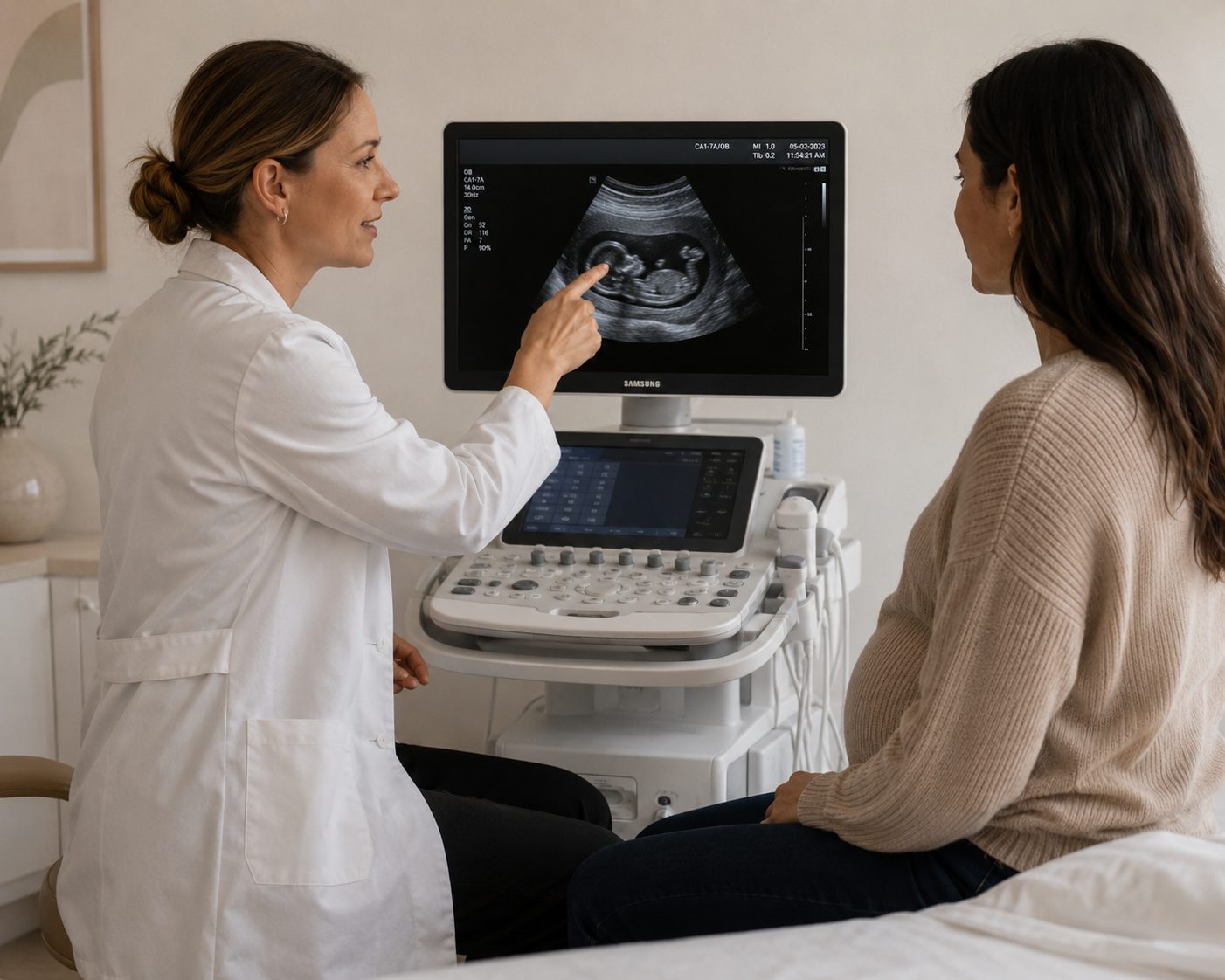
What are fibroids?
Uterine fibroids are noncancerous growths on the uterine wall. Also known as myomas, they usually emerge during a woman's childbearing years and are most often diagnosed in women in their 40s or early 50s. Fibroids can be so small they are virtually undetectable, or so large they distend the uterus. In severe cases involving multiple large fibroids, a woman's uterus may expand upward as far as her rib cage.
Fibroids almost never develop into cancer, and they are not linked to an increased risk of uterine cancer.
Possible symptoms
- Pelvic pressure or lower back pain
- A feeling of fullness or enlargement in the lower abdomen
- Longer, more frequent, or heavier periods
- Frequent urination or difficulty emptying the bladder
- Pain during intercourse
Pregnant women with uterine fibroids have an increased risk of complications during pregnancy and labour, and are six times more likely to deliver via cesarean.
Diagnosis and treatment
Fibroids are often found during a routine pelvic exam. If we can feel a fibroid with our fingers, we may perform imaging tests to confirm. This is usually accomplished with an ultrasound. If ultrasound imaging does not reveal enough information, you may undergo a hysteroscopy or a laparoscopy.
If you have small fibroids that do not cause disruptive symptoms, treatment may not be needed. If you are approaching menopause and you have fibroids, you may be able to use a wait and see approach, as fibroids usually shrink during menopause.
Treatment can be very beneficial for women with large fibroids that cause significant symptoms, or for women who want to avoid complications with future pregnancies. A myomectomy is a surgical procedure that removes fibroids while leaving the uterus in place. Birth control pills and other hormonal medications can reduce pelvic pain and heavy periods. A hysterectomy (removing the uterus) is the only way to completely cure an ongoing fibroid problem.
Common questions

Ready when you
are.
Book online in under a minute, or give us a call. Accepting new patients at our Totowa office.